
One Paw At A Time
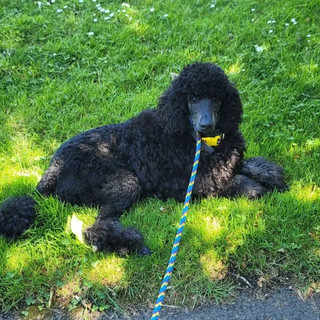

Whether it is a drop-off grooming salon, mobile, or house call grooming, one thing to think about is the dog's needs. On this journey, I find myself with dogs that are anxious and very nervous. Half of them are reactive. I used to jump straight for a muzzle every time a dog tried to bite me, but that was baby groomer me. One thing we all should do is take the time to understand where the dog is coming from. Do a little more internet research or ask a dog behavior specialist trainer a few questions to understand your dog and their needs. Understanding the basics is crucial for every pet parent and groomer out there, especially when you are working with reactive dogs. You don't have to be a trainer to take the time to understand your pup; you just need to have the compassion and willingness to learn.
I noticed every time I have an interaction with a reactive dog and the owner is around (since I'm in their homes), half of my owners want to jump to using a muzzle. Don't get me wrong, there is nothing bad about using them; it just needs to be used with respect for the dog's needs. I can go way off subject on when you should use a muzzle, so we are not going to go there right now. We have touched base in previous blogs about how stressful grooming and nail care can be for dogs. The one thing I will point out is I absolutely love that my owners I visit each time take the time to listen, learn, and understand my approach to understanding and kindness. They let me work with the dog, giving them breaks between clipping or grinding (most have been clipping only due to the level of stress and anxiety).
When I come into the pet's home, I introduce myself to the owners, allowing the dog(s) to get my scent and get used to my presence there. We talk about the dog's history and any traumas they may have faced in their life. Yes, being unsocialized can be viewed as a type of trauma as they didn't get the chance to learn how to be around other people and dogs, which is a crucial element in dog behavior. I don't just jump to using a muzzle right away; I would rather have the protection on me (such as bite gloves) and let the dog understand that using their mouths will not make me go away.
Most anxious dogs, when using a muzzle, I noticed will stress them out even more and make the experience more traumatizing than when I don't use a muzzle. The time a muzzle is needed is if the dog is actively aggressive and has the intent to harm someone when entering their home or approaching the groomer in the van. Most salons will not allow an aggressive dog in their buildings due to safety risks for them and the other pets being groomed. These dogs are not biting out of fear and anxiety of not understanding why a stranger is touching them. These types of dogs, I would hope, have been muzzle trained and they find comfort using a muzzle.
What I do instead of using a muzzle is first find their reactive point, if that is seeing the clippers or just touching their feet. Once we find the trigger, I will explore different ways to work around or with the triggers, keeping myself and the dog safe. If that means I get one foot or one nail done and I come back within a week, then that is what it takes. For example, the other day I visited a young dog that was born during the COVID shutdown and the poor pup couldn't get any socialization in with strangers or other dogs except for its housemate. She was so scared that we needed to leash her up and take her outside in the back just to get to know me. I probably spent longer than most would with this dog, but in the long run, I personally felt it was needed.
Sadly, with this dog, we were only able to get one foot and one nail on a different foot done before I had to call it. She was starting to enter her point of "I need to be done for the day" (slightly embarrassed to say it took close to an hour of working with this dog to get that much done). So I explained to the owners that it would be best if I came back a week later to see if I can finish. It wasn't all lost hope; there was a connection starting to build between me and the dog, but what I was asking for from her was more than she could give me for that day. I'm not sure if the owners will reach back out and have me come back (I really hope they do).
This dog was anxious and scared because two strangers came into her home, one of them (me) was touching her and trying to make a connection while the other (my partner/assistant) is there to support or help me with anything I need help with (including pictures or videos for social media when it's appropriate). She was scared when we took her out of her home and I tried to touch her. But what I did find that helped a bit was taking her for a quick walk and following her around the backyard in between each attempt to clip her nails. If I was to use a muzzle and just force her through, it may make her hate the process even more. It could put her in shutdown mode or make her lash out more.
The muzzle can be seen as applying pressure to the dog; some do well and find comfort with this pressure, others will fight it and become more afraid or anxious. I explain this to each pet parent I see and visit for the first time and sometimes in the next few visits, just depends if they need this friendly reminder or not. For this dog, watching her reactions with the little amount of pressure I put on her, the muzzle would have made things worse for the dog. We did find some distractions that did temporarily help and used dog-appropriate treats to try and teach her that this was a good thing and nothing to be scared of. I call this session a somewhat success for her nails. Getting one paw done is a huge win in my books, especially when they are reacting out of anxiety and fear.
It took a day to fully process this interaction and continuing conversations of repeating myself and my husband reassuring me that I did everything right for the dog's needs. He also is well observant of dog behavior, learning from me and how I work along with his own research to better help me when needed. He agreed with my decision that if we were to muzzle this dog, it would have made it worse and she would have been more traumatized than when we first came in. When you are interacting with your groomer in your home, understand that we are coming into your home with as much respect as we have to give, and when we explain what we are doing or what is needed, it is for the best of your animal. Even though we are not trainers, we still need to have the understanding of behavior and the knowledge of how to work with that behavior, and we can give you some pointers on how to make the next visit easier.
When we give you instruction, it is vitally important that you also follow through with those instructions in between visits. I tell clients with these types of dogs before I visit to hold/touch their feet using treats to reward positive and good behavior to start preparing them for my visit. If you have a busy life, that is okay; there is time in your day where you may not be busy, like at the end of your day, take 5 - 10 minutes before going to bed to work with your dog, just before or after you start or finish watching TV. If you work from home or come home on your lunch breaks, take that time to work with your dog. It's not a lot to ask for if you have the willingness and care to work with your dog.
I hope you found this read helpful and it gave you more understanding of my point of view on muzzles and a small view of my approach to handling your anxious dog. Feel free to reach out if you have any questions. You can find how to contact me on my website pawsgonepretty.com where you can also book your next appointment online.


Comments